What role does creativity play when societies face rapid change and growing pressure? Danish companies show how human-centred design can turn complex challenges into solutions that improve everyday life.
Across international markets, organisations and governments face a shared challenge: how to advance the green transition, introduce technology responsibly, and create resilient places where people can thrive. Progress depends on more than technical capability. It also requires an understanding of human behaviour and how solutions work in daily life. This is where the creative industries create value. Creativity shapes products and places, influences how innovation reaches people and helps societies respond to change. Denmark’s creative industries have developed within a society characterised by high trust, close collaboration, and a strong tradition of designing around human needs. Across design, architecture, and urban development, Danish companies show how quality of life can reinforce environmental responsibility, commercial relevance, and aesthetic appeal.


Designing for human needs
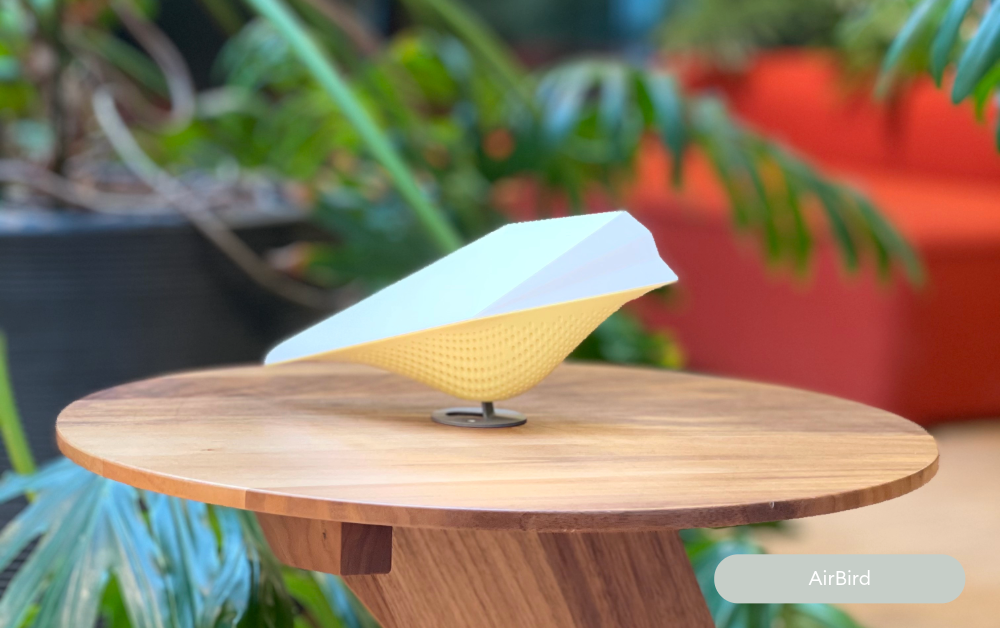
Human-centred design starts with the people who will use a product, service, or space. The Danish principle of “form follows function” gives creativity a clear purpose: to make solutions useful, accessible, and relevant to their context.
The decisions made during this process can also have considerable environmental consequences. More than 80% of product-related environmental impacts are determined during the design phase. Early choices, therefore, influence material use, repairability, energy consumption, and what happens when a product reaches the end of its first life.
Using design strategically can help companies respond to regulations and changing expectations while developing products that remain useful for longer. A human-centred process also reduces the risk of introducing advanced solutions that people cannot understand, access, or trust.
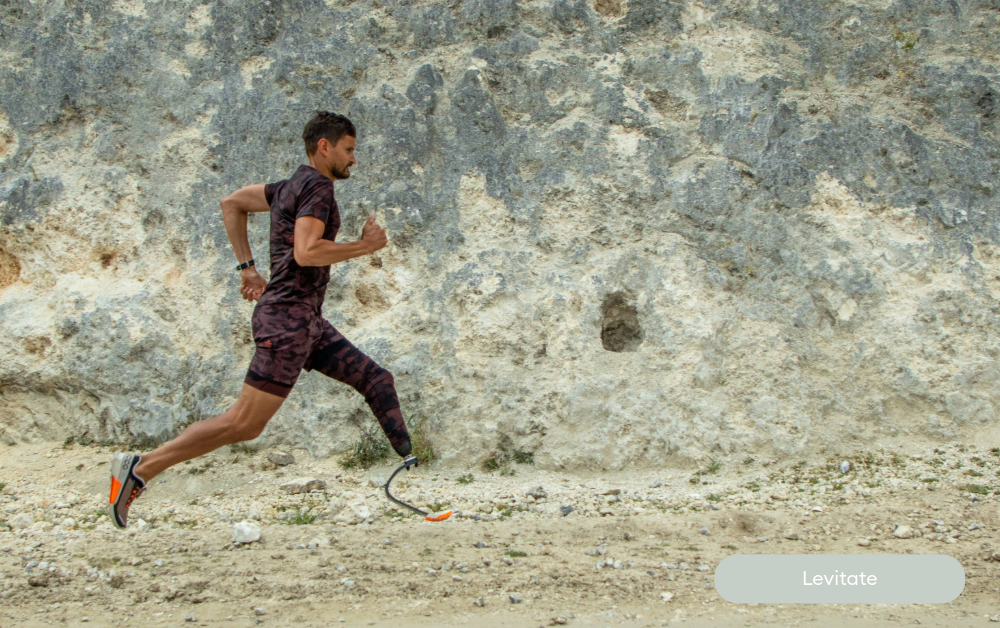
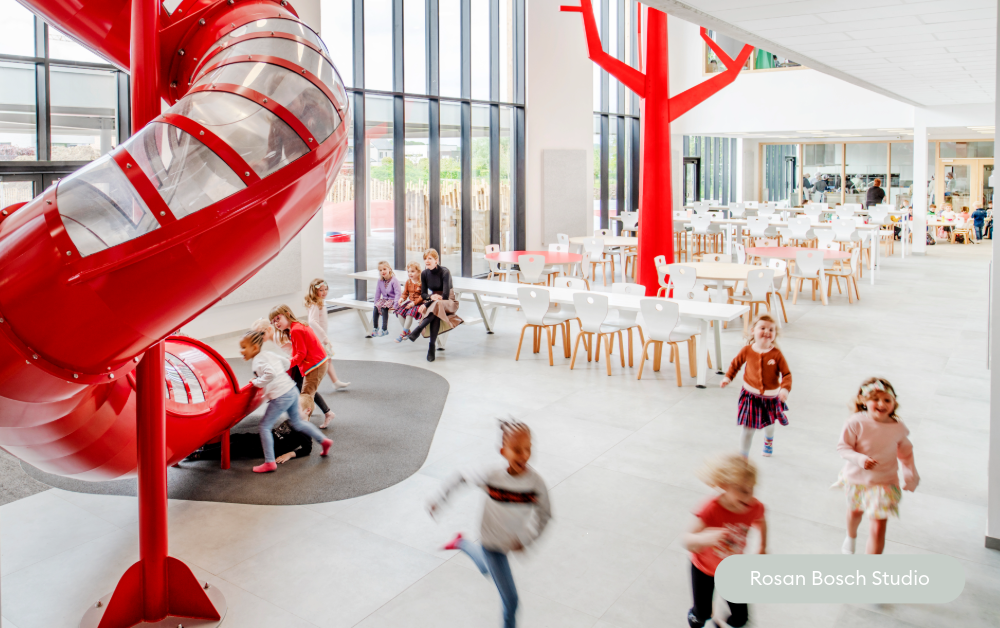
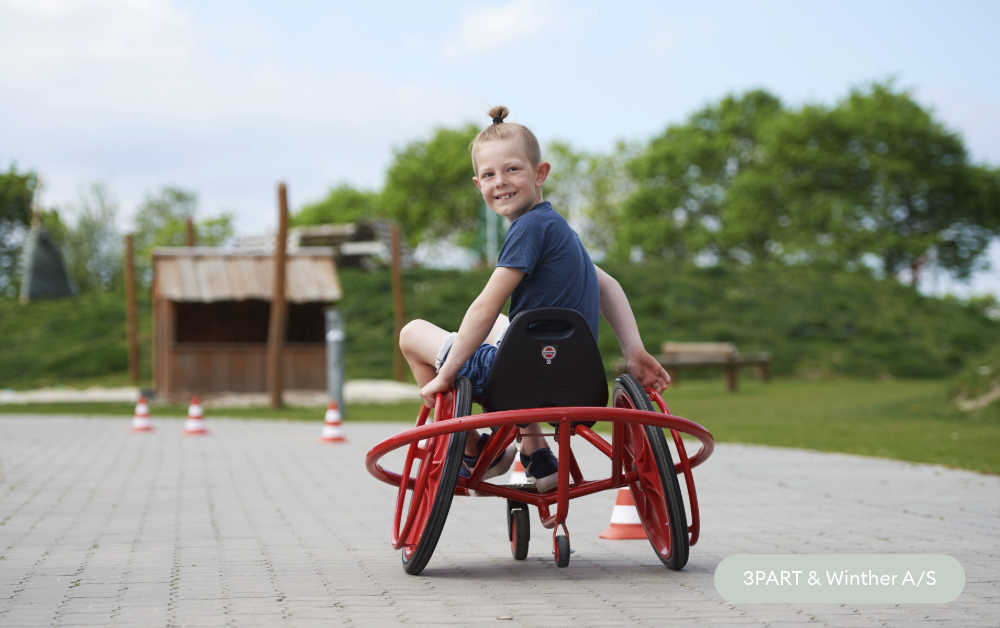
The value of this approach becomes visible in products that fit naturally into daily life. Whether it be inclusive playground equipment for children, regenerative pavements in cities, or thoughtful medical solutions that prioritise dignity, human-centred design works across ages, sectors, and needs. The same principle applies to digital technology. Danish companies within games, film, animation and XR apply technology to create meaningful experiences, support learning and open new ways for people to connect.
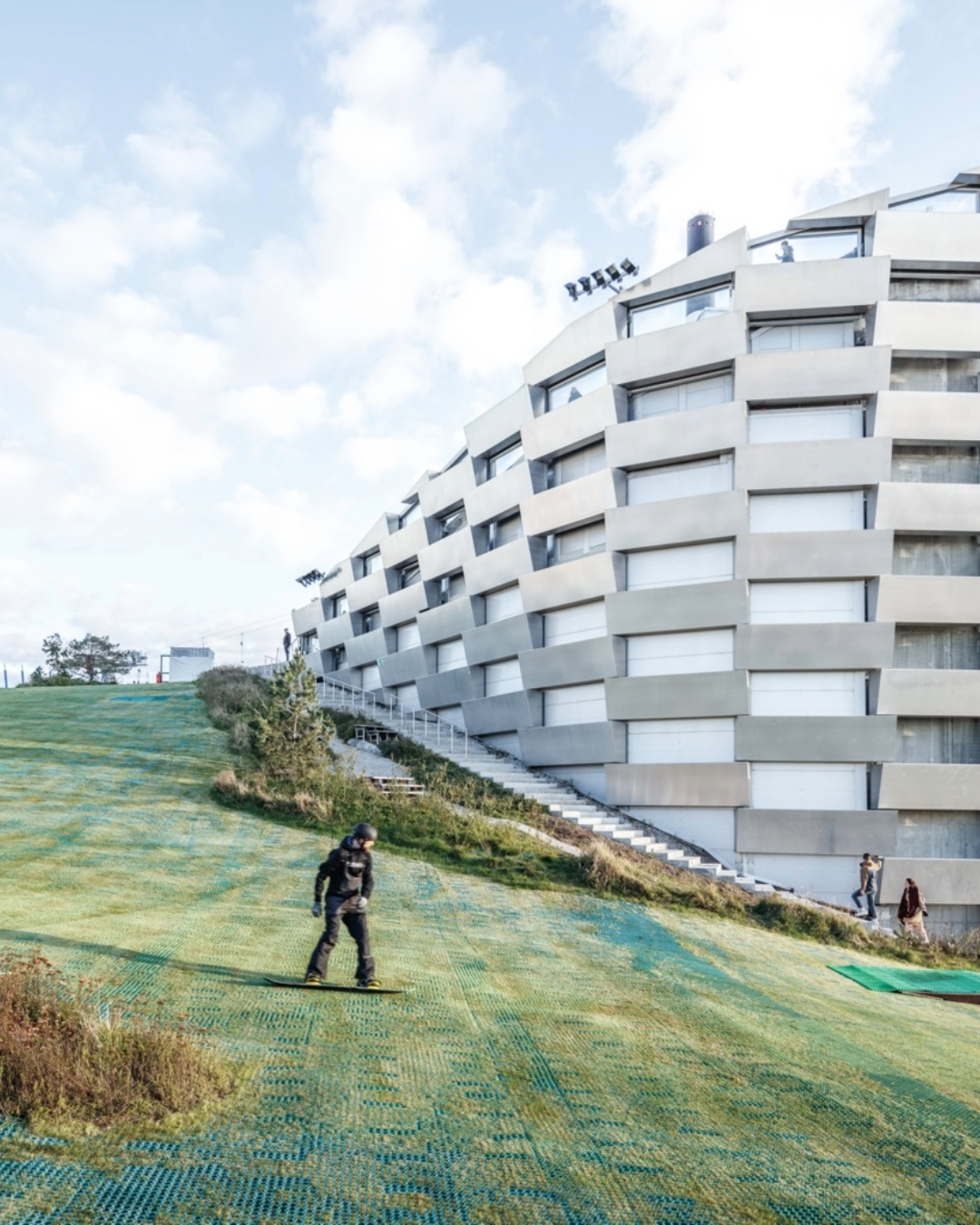
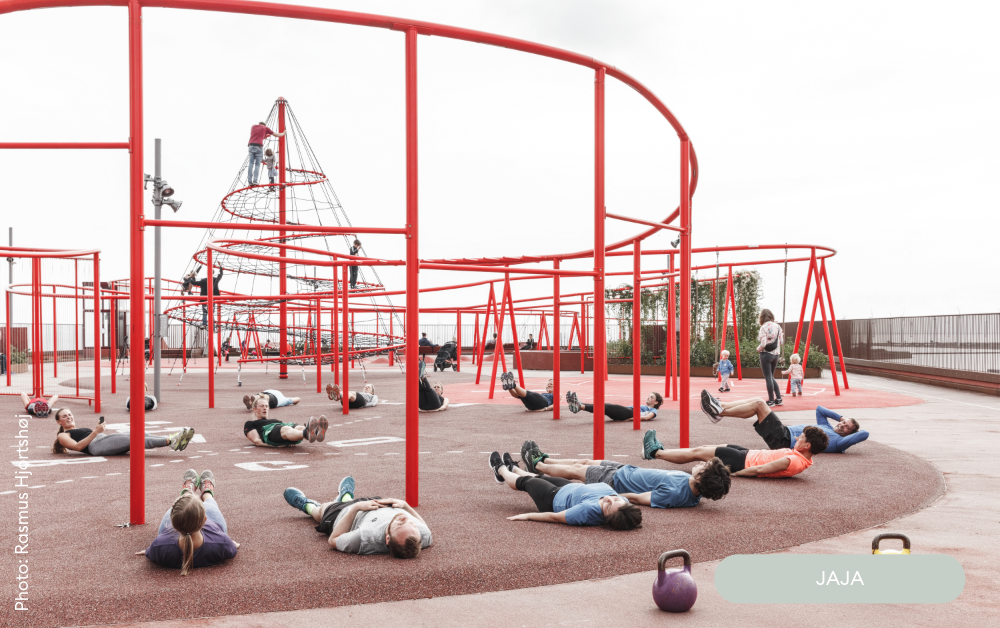
Human-centred design also changes how buildings and infrastructure contribute to daily life. A waste-to-energy plant can become a public recreation space. A parking structure can add activity and identity to a neighbourhood. Functional requirements remain essential, but they become the starting point for wider social and environmental value.
As global challenges become more interconnected, this capability becomes increasingly important. Progress towards more resilient and inclusive societies depends on whether new solutions create value in everyday life and whether people choose to adopt them. Quality of life is therefore not an additional benefit that follows once functional requirements have been met. It is an outcome that can be shaped through each creative decision.
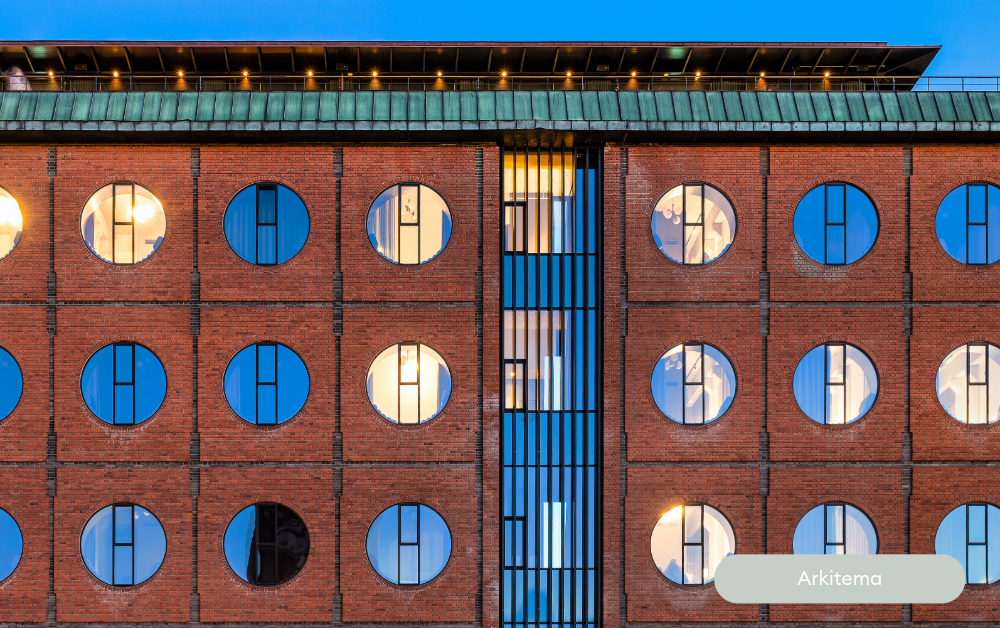

We build quality of life when we create homes and neighbourhoods where shared experiences matter, and when we design cities and public spaces that bring people together.
Architecting impact
The quality of our surroundings directly influences how we move, meet and live. Architecture, therefore, plays a central role in enhancing quality of life.
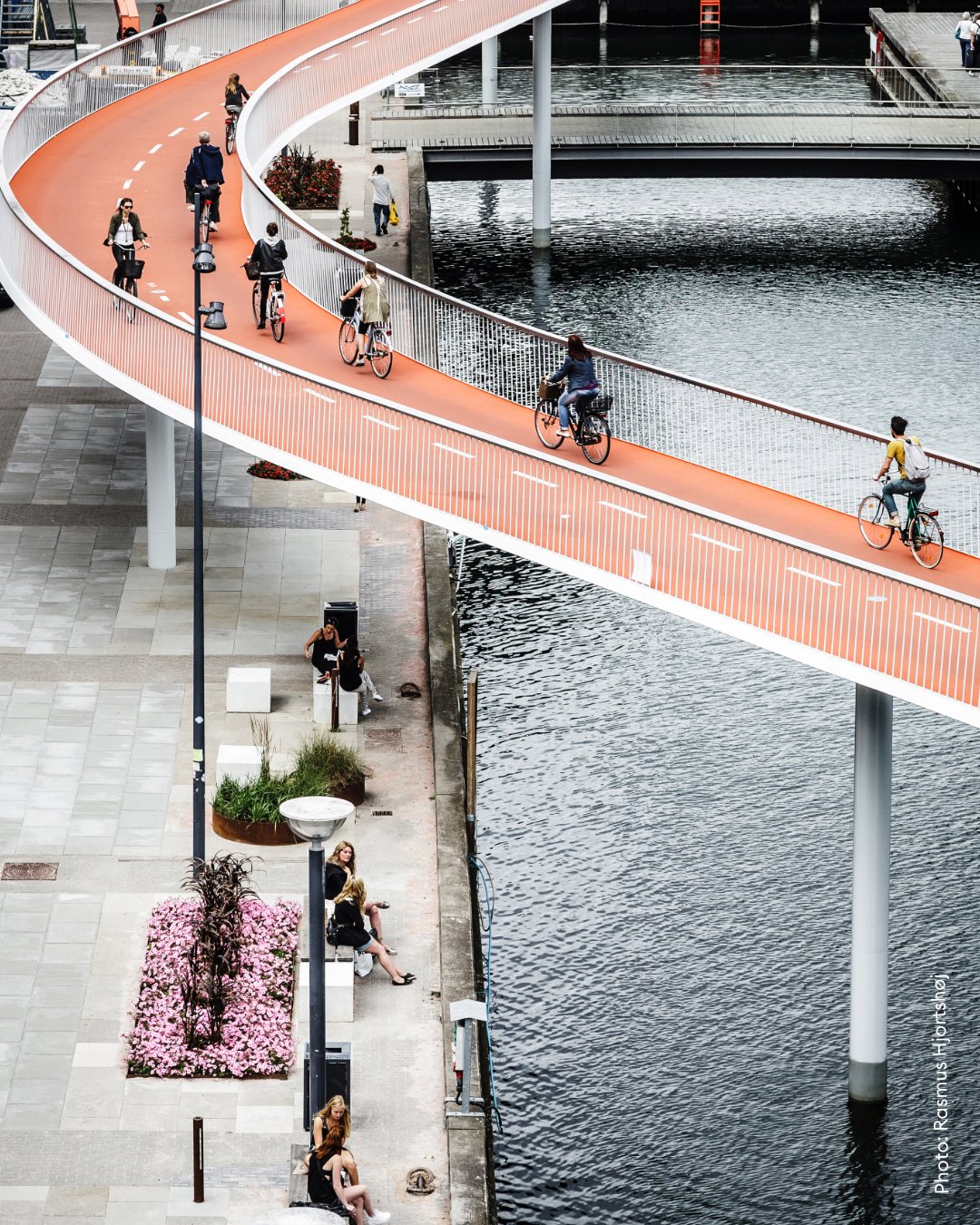
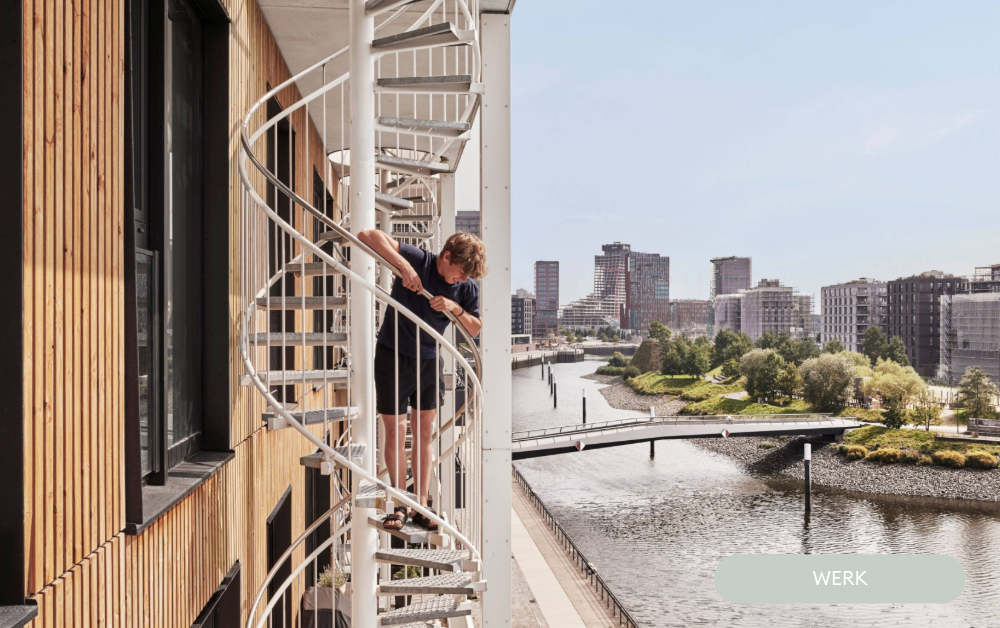
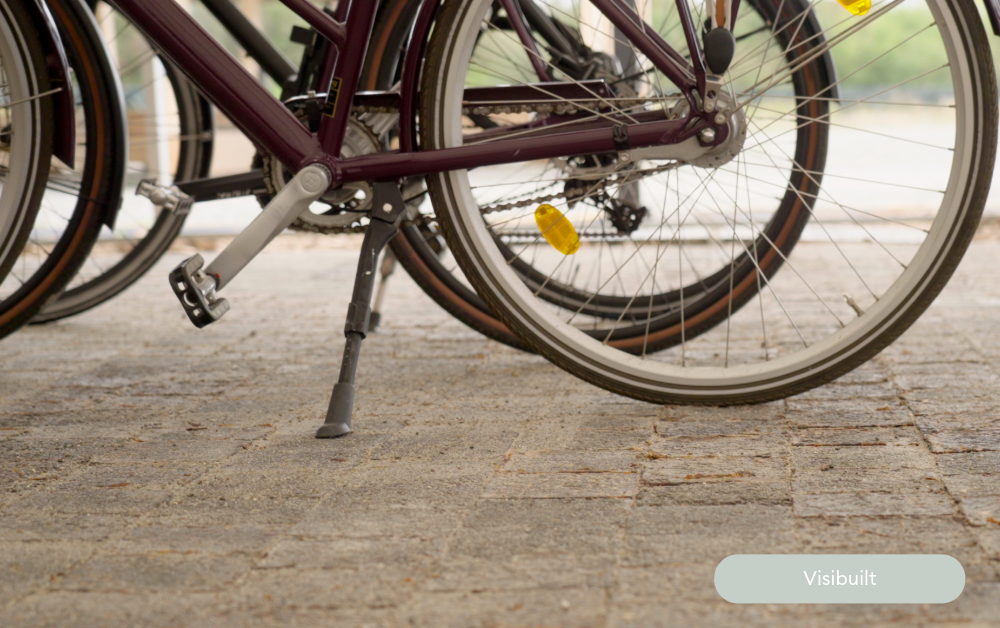
Danish architects have long treated the built environment as social infrastructure. Buildings and public spaces must fulfil their immediate purpose, but they should also support community life, physical well-being, and a sense of belonging. This approach has helped shape liveable Danish cities and now informs projects across international markets. Danish cities show how quality of life can be shaped through ordinary parts of everyday infrastructure. Cycling routes, pocket parks and public buildings influence how people move, meet and spend time in their neighbourhoods. When these elements are designed with care, they can make sustainable choices feel natural and strengthen the connection between people and place.
As these everyday choices add up, architecture becomes more than a question of buildings. It becomes a way to address the pressures shaping cities today, from climate risk and housing shortages to the need for stronger local communities. Danish architecture offers practical ways to respond to these challenges while improving the experience of a place.
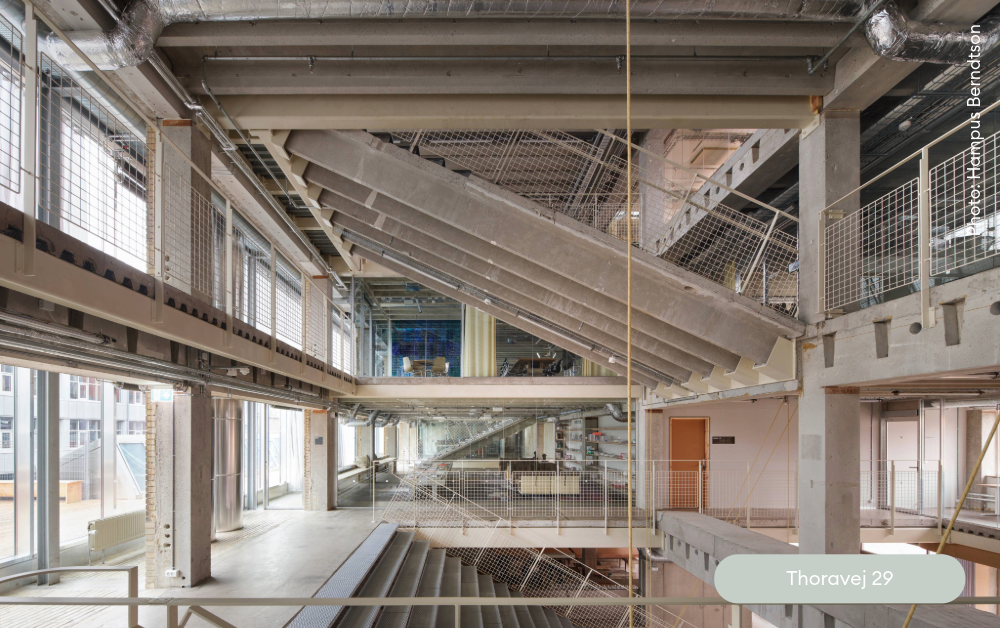
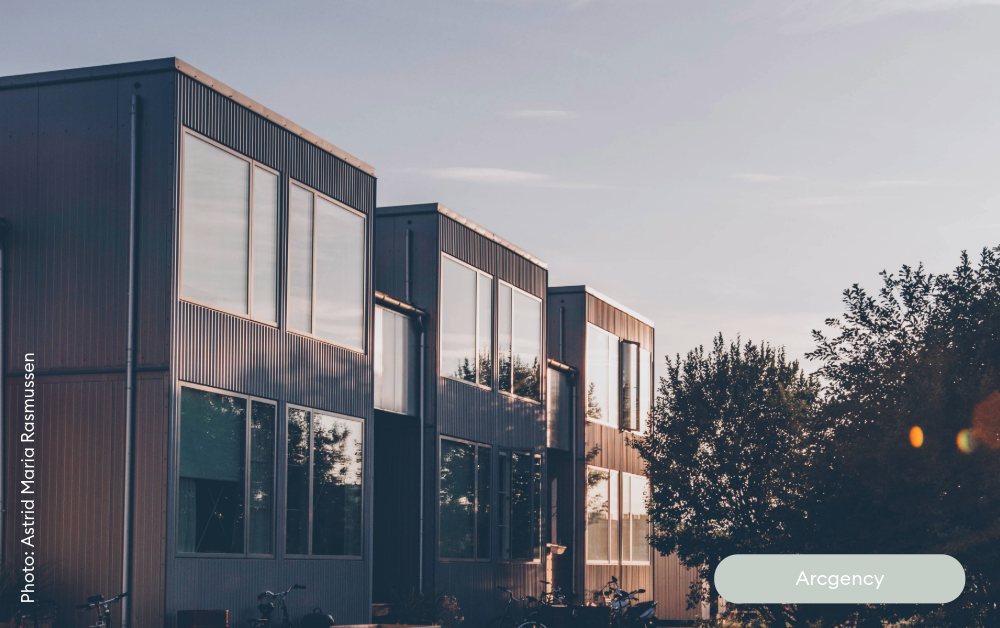
Climate adaptation projects can manage heavy rainfall while adding nature and public space to dense neighbourhoods. Ordinary pavements can become hidden water infrastructure. Former industrial buildings can gain new purposes through adaptive reuse, which preserves materials and avoids much of the environmental cost of demolition. Housing projects can combine compact design with shared spaces or social support, so architecture responds to different stages and circumstances in life.
“Architects play a vital role in climate protection for managing cloud bursts in cities to protect vulnerable coastal towns from storm surges” - Lars Storr-Hansen, The Danish Association of Architectural Firms
These examples reflect a broader principle that environmental and social value should form part of the core design task. A flood solution can also create a park. A reused building can preserve local identity. A housing project can offer privacy while helping residents remain connected to a wider community.
For developers, municipalities and decision-makers, this approach can produce value beyond the boundaries of an individual project. Well-designed surroundings can support public health, strengthen climate resilience and make neighbourhoods more attractive over time and thereby increase quality of life for its residents.
Read more on how creativity can drive quality of life here or explore the cases below to discover more creative and human-centred solutions.